

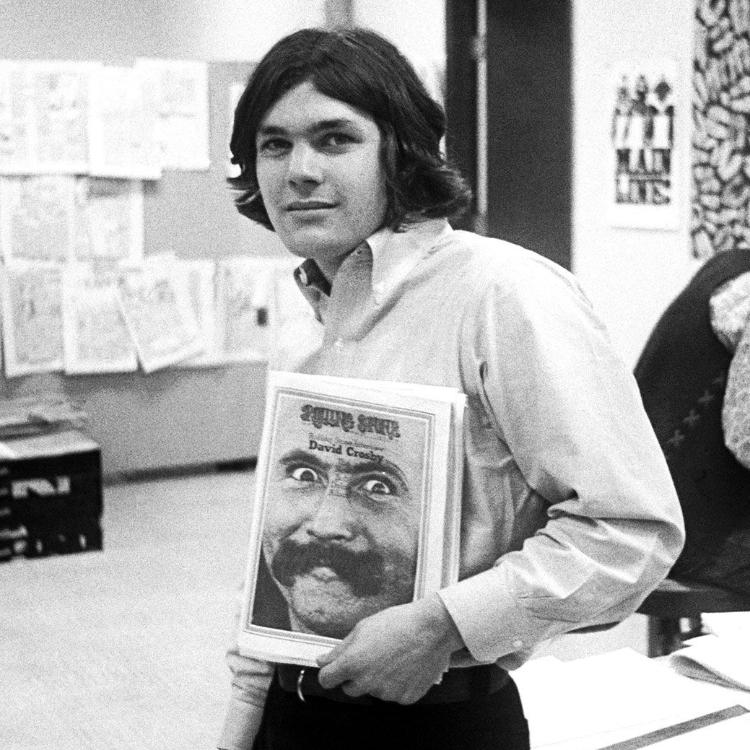
Jann S. Wenner is an American magazine publisher and editor whose work helped define how popular music, politics, and celebrity were covered in the late twentieth century. Born in New York City in 1946, he co-founded Rolling Stone in 1967, shaping it from a countercultural newspaper into one of the most influential cultural magazines in the United States. Under his leadership, the publication became a central forum for rock music, youth culture, and political reporting during a period of rapid social change. Wenner’s editorial approach emphasized long-form interviews, narrative journalism, and the idea that popular culture deserved the same serious treatment as traditional subjects of reporting. He cultivated close relationships with musicians, writers, and public figures, giving the magazine unusual access while also imprinting it with a strong editorial point of view. This combination helped establish Rolling Stone as both a tastemaker and a historical record of its era. As a writer and editor, Wenner operated at the intersection of journalism and cultural influence. His work reflects the rise of music journalism as a legitimate literary and critical field, one capable of shaping public perception rather than simply documenting trends. The magazine’s coverage often blurred lines between criticism, advocacy, and mythology, reinforcing the central role of artists in broader cultural conversations. Within that context, Jann S. Wenner’s legacy is closely tied to the institutions he built and sustained. His influence lies in how stories about music and power were framed, preserved, and elevated, helping define the narrative structure through which modern popular culture has been understood.