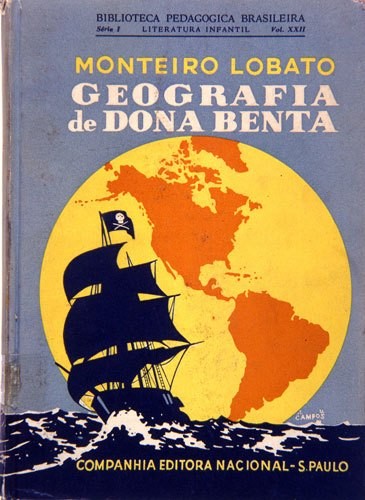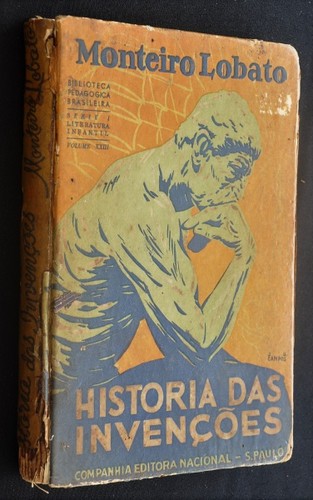


Monteiro Lobato was a Brazilian writer, translator, editor, journalist, and publisher, and one of the most influential figures in the development of children's literature and the publishing industry in Brazil. Born in Taubaté, São Paulo, in 1882, Lobato trained in law and worked as a public prosecutor before turning increasingly toward journalism, literature, and publishing. His first major literary success came with Urupês in 1918, a collection of stories centered on rural Brazilian life and social criticism. He became best known for creating the universe of Sítio do Picapau Amarelo, whose characters and stories combined fantasy, Brazilian folklore, mythology, history, science, and children's adventure. Works such as Reinações de Narizinho, Caçadas de Pedrinho, O Picapau Amarelo, and Os Doze Trabalhos de Hércules helped establish a distinctly Brazilian tradition of children's literature. Lobato was also a pioneering publisher. Through Monteiro Lobato & Cia. and later Companhia Editora Nacional, he helped modernize book production and distribution in Brazil, promoted Brazilian authors, and expanded access to books beyond the country's major urban centers. A vocal advocate of industrialization and Brazilian control over natural resources, particularly petroleum, Lobato became involved in political disputes and was imprisoned in 1941 after criticizing the Vargas government. His legacy remains highly influential but also controversial, particularly because of racial and eugenic ideas present in parts of his writings and correspondence. Monteiro Lobato died in São Paulo in 1948.