
Rosa Montero
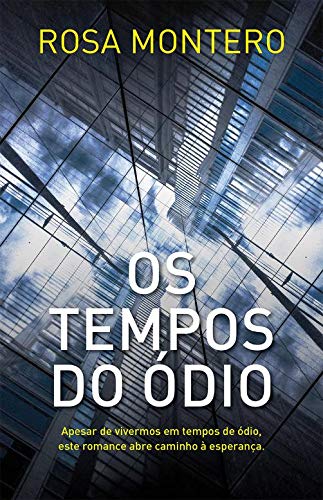
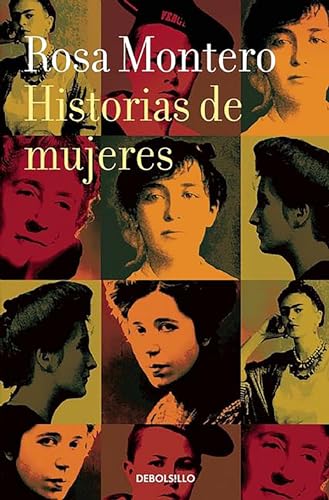
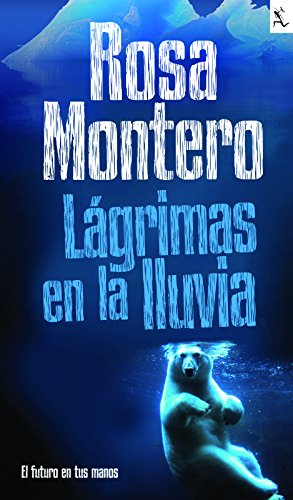
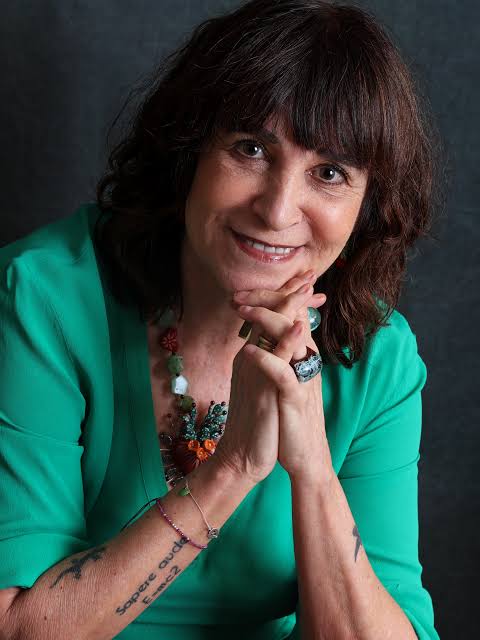
Rosa Montero was born in Madrid, where she studied journalism and psychology. She collaborated with independent theatre groups such as Canon and Tábano, while at the same time beginning to publish in various media outlets (Fotogramas, Pueblo, Posible). Since the end of 1976, she has worked exclusively for the newspaper El País, where she was editor-in-chief of the Sunday supplement from 1980 to 1981. In 1978, she won the Mundo Interview Award; in 1980, the National Journalism Award for reports and literary articles; and in 2005, the Madrid Press Association Award for her professional career. She has published the following novels: Crónica del desamor (1979), La función Delta (1981), Te trataré como a una reina (1983), Amado Amo (1988), Temblor (1990), Bella y Oscura (1993), La hija del caníbal (winner of the 1997 Primavera Novel Prize), El corazón del Tártaro (2001), La Loca de la casa (2003), winner of the 2004 Qué Leer Award for Best Book of the Year, the Grinzane Cavour Award for the best foreign book published in Italy in 2005, the 2006 Roman Primeur Award (France), and the Grand Prix Littéraire de Saint-Émilion, Pomerol, Fronsac (2005–2006); Historia del rey transparente (2005), winner of the 2005 Qué Leer Award for Best Book of the Year and the 2007 Mandarache Prize; Instrucciones para salvar el mundo (2008), winner of the Readers’ Award at the European Literatures Festival in Cognac (France, 2011); Lágrimas en la lluvia (March 2011); Lágrimas en la lluvia. Cómic (October 2011), winner of the 2011 Best Comic Award by popular vote at the International Comic Fair of Barcelona; La ridícula idea de no volver a verte (March 2013), winner of the Madrid Critics’ Award (2014) and the 2016 Prix du Livre Robinsonnais in the Foreign Novels category awarded by the Bibliothèque du Plessis-Robinson; El peso del corazón (2015); La carne (2016); Los tiempos del odio (2018); La buena suerte (2020); El peligro de estar cuerda (2022); La desconocida, a short novel co-written with Olivier Truc (2023); and Animales difíciles (2025). She has also published the short-story collection Amantes y enemigos, winner of the 1999 Chilean Critics’ Circle Award, as well as two biographical essays, Historias de mujeres and Pasiones, along with children’s stories and collections of interviews and articles. Her most recent collection is Cuentos verdaderos, published in 2024. Her work has been translated into around thirty languages. She holds an honorary doctorate from the University of Puerto Rico and received the 2014 International Columnists of the World Award. In 2017, she was awarded the National Prize for Literature. In 2018, she was appointed Honorary Professor of the Academic Department of Humanities at the Pontifical Catholic University of Peru. In February 2019, the Rosa Montero Classroom was established at the Faculty of Journalism of Miguel Hernández University of Elche (Alicante). In 2020, Los tiempos del odio won the 2020 Violeta Negra Occitanie Award at the Toulouse Polars du Sud Festival in France, while Rosa Montero received the Honorary Award from the Panamá Negro Festival. That same year, she was also awarded the Cedro Prize for her career defending copyright and culture. She is an Honorary Member of the University of Málaga. In 2022, she received the Gold Medal of Merit in the Fine Arts, as well as the Special Award at the 33rd edition of RNE’s El Ojo Crítico Awards. That same year, El peligro de estar cuerda was named Best Non-Fiction Book by the Booksellers’ Guild. In 2024, the newspaper El Español awarded her the Maga de Magas Prize for her professional career, and she was appointed Officière des Arts et des Lettres by the French Republic. In 2025, she received the Liber 2025 Award for the most outstanding Hispanic American author. In 2026, Universitat Jaume I awarded her its 2026 Medal in recognition of her commitment to culture. In addition, Rosa Montero won the 45th edition of the Giovanni Boccaccio Literary Prize and was selected as one of the five award recipients at the Semana Negra de Gijón, where she received the Celsius Award for Best Science Fiction or Fantasy Title for Animales difíciles. In July of that year, she was also awarded the Francisco Cerecedo Journalism Prize by the Association of European Journalists.