

or to grade, review, and add to your backlog.
Description
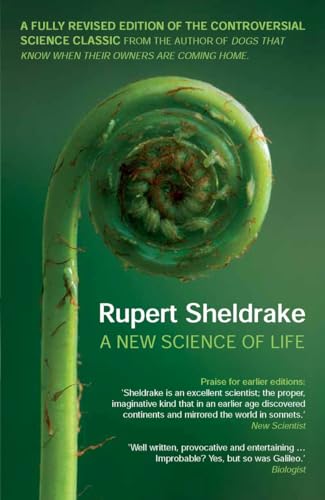
After chemists crystallised a new chemical for the first time, it became easier and easier to crystallise in laboratories all over the world. After rats at Harvard first escaped from a new kind of water maze, successive generations learned quicker and quicker. Then rats in Melbourne, Australia, learned yet faster. Rats with no trained ancestors shared in this improvement. Rupert Sheldrake sees these processes as examples of morphic resonance. Past forms and activities of organisms, he argues, influence organisms in the present through direct connections across time and space. Sheldrake reinterprets the regularities of nature as being more like habits than immutable laws.
Community reviews
No reviews yet
Be the first to review this book.