

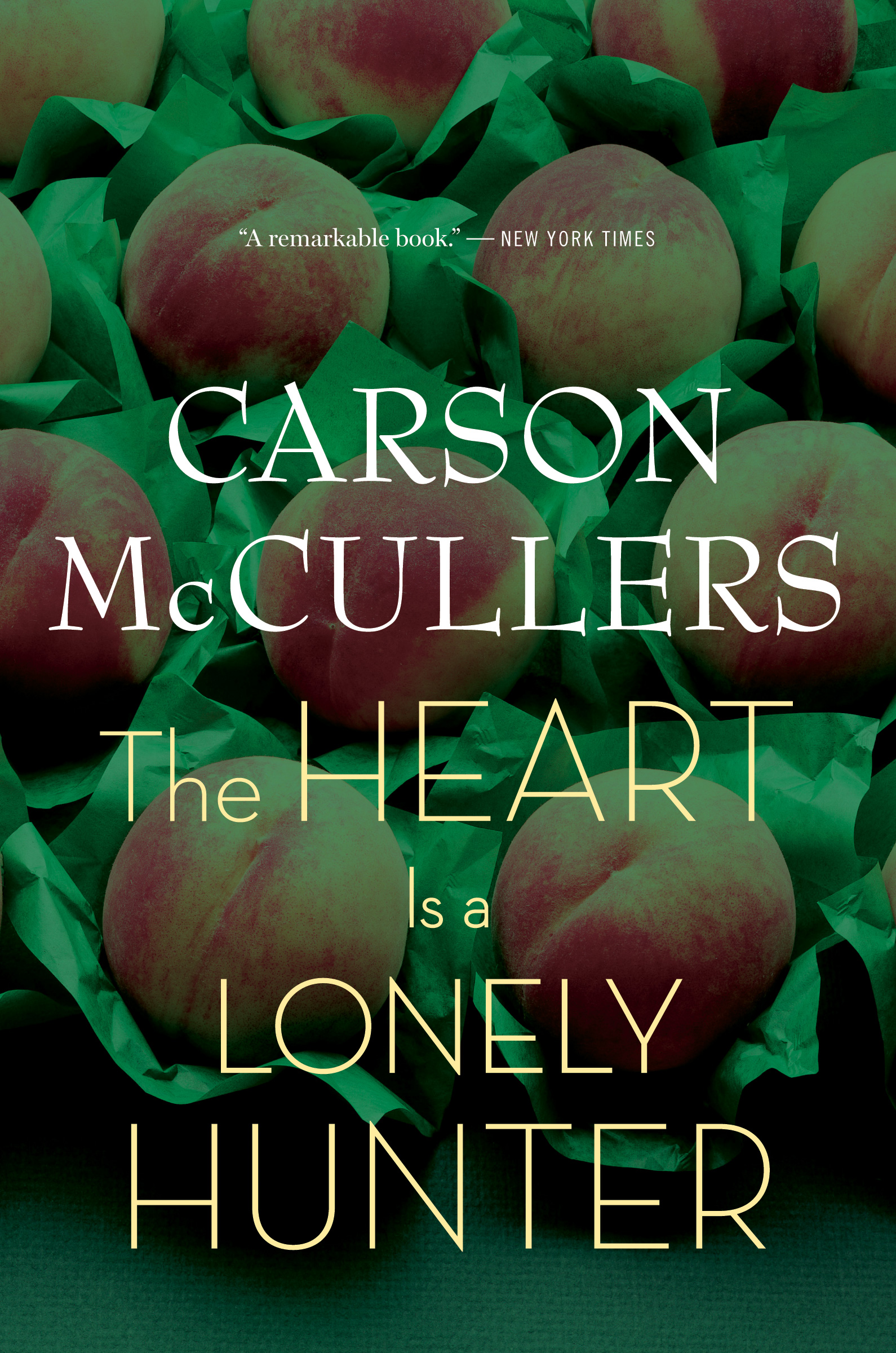
Review of The Heart is a Lonely Hunter by CreatureFeature
 CreatureFeatureMarch 12, 2026455 views
and grade a few things to see how CreatureFeature’s taste matches yours.
“How can the dead be truly dead when they still live in the souls of those who are left behind?”
A well-lauded, if somewhat overlooked classic of 20th century American literature, what’s left to be said of Carson McCuller's 1940 classic, “The Heart is a Lonely Hunter?” What relevance does it maintain in this, the year of our lord, 2026 – 80-some-odd years after its initial publication?
It turns out, the novel's themes of loneliness and loss, grief, isolation, sometimes literal, sometimes figurative, idealism, and hope in the face of adversity remain as painstakingly beautiful to the average reader as they ever were. A perfect window into an America just before our entrance into the second World War, the novel feels like a time machine into the past as it was, not as it’s usually recalled , generally aggrandized, with what memories remaining filtered through the rose-colored lenses of cultural memory. Systemic poverty, volatile race-relations, tension around sexual norms and identity, it’s all there for contemporary readers to reckon with. It’s striking both how far and little we’ve come in the time since.
The plot of the novel centers around one John Singer, a deaf, mute silver engraver who, after a long friendship and living-situation with another deaf-mute, Antonapoulous, moves to “The Mill Town” a fictionalized town somewhere in unspecified Georgia. There, John Singer will find himself surrounded by an odd-cast of characters each searching for their own meaning in the world: Mick Kelly, a fourteen year old girl often absorbed in her own thoughts while struggling to connect with other children. She dreams of becoming a great musician and moving away someday. Then we have Jake Blount, a drunken Marxist-Socialist carnival worker who, in his drunken ravings, waxes between a hatred for the gears of industrial capitalism and a professed and patriotic love for “freedom” and the ideals America portends to represent. After that, we have Dr. Benedict Copeland, a 60-something black doctor who has sought, in all of his life’s work, to educate and care for other southern blacks. He feels a strong sense of conviction and duty. Fastidious and precise with his language and actions, there’s a current of tempestuous anger underneath all that he does, threatening to boil over if he’s not so careful and precise. Finally, the last, Biff Brannon, cafe proprietor and widower, is a quiet but thoughtful man known for his soft-spoken nature and care towards the members of the towns, especially the kids. He is sometimes effeminate, sexually-confused, and reflects on what it would have been like to perhaps have had his own children.
Each forms a relationship with Singer, befriending him each in their own way. A straightforward drama, the novel roils with emotional tension under the words of the pages, with simple conversations between characters being immensely layered, often swelling nearly pregnant with meaning. The unsaid is often as important as the explicitly stated.
All these people, even with genuinely good intentions, often talk past one another, leaving their meetings wondering if the other had understood everything they had understood about the meeting. Each projects their hopes and dreams onto Singer, as well as each other, leading to occasional moments of kinship and joy, even genuine love, but just as often a scene where the petty turmoils of their individual lives flare-up and paper-over larger commonalities between them, resulting in feelings of emotional isolation and haunting loneliness.
“And why did everyone persist in thinking the mute was exactly as they wanted him to be…”
In a time where loneliness is an epidemic, the story of “The Heart is a Lonely Hunter" feels truly timeless. A genuine classic.
Comments1
to leave a comment
This book sounds depressing asf I must read it