

Review of O.J.: Made in America by Adam Milton
 Adam Milton
and grade a few things to see how Adam Milton’s taste matches yours.
The ESPN 30 for 30 documentary series has been one of the best things ESPN has produced in the past 25 years. Started in 2009 as a way to commemorate ESPN's 30th anniversary, the network commissioned 30 films from some of Hollywood's finest directors and producers, including Peter Berg, Barry Levinson, John Singleton, Spike Jonze, Dan Klores, Barbara Kopple, Ron Shelton, and Albert Maysles.
These films focused on notable sports stories that happened since the start of ESPN in 1979. Stories such as Wayne Gretzky's trade from Edmonton to Los Angeles, the invention of fantasy football, the Baltimore Colts' secret move to Indianapolis in 1984, the rise of the University of Miami football program, and the tragic death of Len Bias.
I cannot recommend this series enough, even if you aren't a sports fan. But there is one that stands out among the rest as the most compelling and, in my opinion, the best of the entire series: O.J.: Made in America.
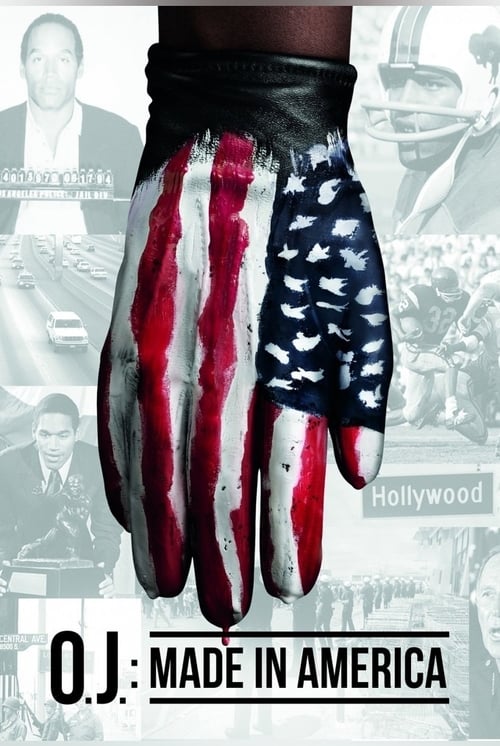
O.J.: Made in America, directed by Ezra Edelman, was presented as a "miniseries event" within the 30 for 30 series. The five-part documentary examines the early life of O.J. Simpson, as well as the broader issues of race, fame, and policing in the United States as they relate to Simpson's 1995 criminal trial for the murders of his ex-wife, Nicole Brown Simpson, and her acquaintance, Ronald Goldman. It also brings into focus other aspects of Simpson's life, including his success on the football field, his celebrity after his NFL career, and his life after the trial.
The People of the State of California v. Orenthal James Simpson was the trial of the 1990s. Since the verdict in October 1995, the facts of the case and the context surrounding it have been lost to time and our collective cultural memory. So much of what happened—and how it was, and still is, perceived—did not occur in isolation.
The history of the Los Angeles Police Department, its relationship with Black Angelenos, the city's history of civil rights, race and the media, the Los Angeles riots, and O.J. Simpson's immense popularity all played enormous roles in the events surrounding the trial. The documentary does not waste an opportunity to explore each of these topics in depth.
Many of the major players in the trial were interviewed for the documentary, ensuring that their thoughts and perspectives were not lost to history. Each person willing to participate adds much-needed context to the situation. That context is often removed when people discuss this event today.
As sad as it is to say, the trial was not simply about the murders of Nicole Brown Simpson and Ronald Goldman. It was the convergence of the history of fame, race, politics, and policing in America. What Ezra Edelman manages to do is give each perspective the appropriate weight and time to tell its story. By the end, you feel that you have a genuine understanding of what happened, why it could have happened in the United States, and how the trial changed the country going forward.
All documentaries have a bias, no matter how hard they try to avoid it. The fact that a story is being told is itself a form of bias. This documentary, however, does an excellent job of giving people an opportunity to speak about their experiences and provide context for what they believed and did at the time of the trial.
This is one of the best documentaries I have ever seen, and there is little wonder that it won the awards it did.
Comments
to leave a comment
No comments yet