

 Adam Milton
A comic book splash panel is a single large illustration that takes up one or two pages. Some of the most iconic moments in comics history are told via a splash panel: Spider-Man trapped under rumbble, Batman’s back being broken by Bane, Lois Lane holding a dead Superman.
Generally, it’s a moment where the artist and the writer can reinforce each other and show off their skills. The movie or TV equivalent might be the one-take shot: easily overdone, but in the right hands, at the right moment, it can really put a story over the top.
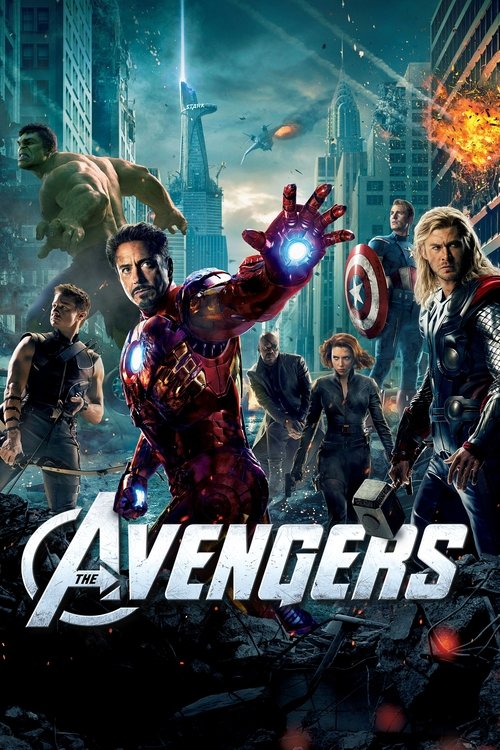
Iron Man 2, Captain America: The First Avenger, and Thor all did the groundwork for The Avengers. They built the narrative framework, laid the foundation for characters and history, all for one specific moment. At 1 hour and 58 minutes, The Avengers delivered the closest thing to an actual splash panel we’ve seen on screen.
The Avengers was a moment. That scene was the payoff, but the entire movie was a celebration of itself. They did it. The MCU did what so many other studios and shared cinematic universes couldn’t. It seems ubiquitous now but look at the history of movies in the ’90s and count how many projects like this were started and then died a cinematic crib death in pre-production. Or the first entry landed with a wet thud.
The ’90s were also hell for Marvel. There was a huge comic book industry downturn (thanks to a collector bubble), and Marvel needed money. They sold their most popular properties to Fox, Sony, and Universal. In retrospect it was a blessing in disguise because it meant the tentpoles of the eventual MCU had no takers. Studios wanted Spider-Man, X-Men and The Hulk, but not Iron Man, Thor, or Captain America. Marvel had some successes with Blade, X-Men and and Spider-Man but mostly saw films come and go with no fanfare than what the studio could pay for..
After years of planning and careful execution, they rewarded us and themselves with a fireworks show. And if they had settled for just a show, I think that would have been enough. But this movie does two things that really work in its favor.
The first is answering all the fanboy questions. How would Captain America handle the modern world? How would Iron Man, a man of science, interface with Thor, a god who is ostensibly magic? Why is Hawkeye there? How does a performatively christian man like Steve Rogers reconcile a living god from myth? Whose side is Nick Fury on? How do they control the Hulk? Who would win in a fight, the Hulk or Thor? How would it all look on screen? The movie spends time answering all those questions in the narrative or at least showing you. The characters bump and bounce and chafe and fight. But they all slide into place and when it does the movie never lets up.
The other thing the movie does is get you to root for the movie itself. Not just cheer for the characters, but cheer for the film. From time to time you watch Nick Fury talk to a set of faceless overseers, each of them doubting that this Avengers experiment will work. There’s little reason to think the Avengers won’t defeat Loki. But this faceless council acts as a thematic villains. I mean we’ve all seen action movies before the bad guy gets his comeuppance and we go home satisfied. The doubt is whether the movie will work, whether it will be balanced, compelling, and functional as a summer blockbuster. And when they defeat Loki they also defeat that doubt.
It works as an adaptation, and most importantly, it works as a movie. Everybody is game to play their position, so to speak. Chris Evans, Chris Hemsworth, Robert Downey Jr., Samuel L. Jackson, Jeremy Renner, Scarlett Johansson, and Mark Ruffalo work together on screen. There is real chemistry between all of them, allowing each actor to move between being set dressing, part of the scene, and the main character of the moment. Tom Hiddleston is nothing less than charming as Loki.
The action is fun and varied, the effects don’t overwhelm, and everything has a tangible feeling. The score does its job, but it’s nothing I’ve ever felt compelled to own.
Joss Whedon, for all his flaws, foibles, and quirks, knows rock-solid storytelling. The movie never drags or feels like it’s retreading the same ground. It manages to capture how comic books often feel during the big crossovers and summer events. It feels, all at once, enormous, and personal. All of your favorite characters doing all the things you wish they had always done, looking great doing it.
So when the movie stops, for a moment, after all those years of buildup and hints, and gives us the splash panel we didn’t know we wanted, it feels like it was all worth it.
Don’t let the cynics, sophists, poseurs, or windbags tell you otherwise. This is a great film, and worthy of the impact it had.
Comments
to leave a comment
No comments yet