

or to grade, review, and add to your backlog.
Description
In 46 BC, at just two years old, a young North African prince named Juba was paraded through the streets of Rome as part of Julius Caesar's victory parade. This traumatic beginning, however, did not define his future. As a young man, Juba fought alongside Emperor Augustus and was sent back to rule over his birthplace in Mauretania as king. Juba's reign was marked not by tyranny, but by scholarship. A famed antiquarian, travel writer, and explorer, he discovered and named the Canary Islands, penned histories of Arabia and Libya, and led diplomatic missions to his fellow kings. Ruling alongside his wife, Cleopatra Selene, the daughter of Antony and Cleopatra, these heirs to African dynasties were potent symbols of Romanisation. Their dynasty would be cut dramatically short by the mad emperor Caligula, their history buried for centuries. In this ambitious work of historical recovery, Dr Andrew Kenrick pieces together clues etched in coin and stone to reveal a Roman civilization that flourished just as much in Africa as it did in Europe. By inviting us to shift our gaze to the southern shores of the Mediterranean, Rex Juba offers a surprising new perspective on the heyday of the ancient world.
Community reviews
No reviews yet
Be the first to review this book.
More like this
- The Bronze Lie: Shattering the Myth of Spartan Warrior Supremacy
- The Shortest History of the World

- The Chinese Question: The Gold Rushes and Global Politics

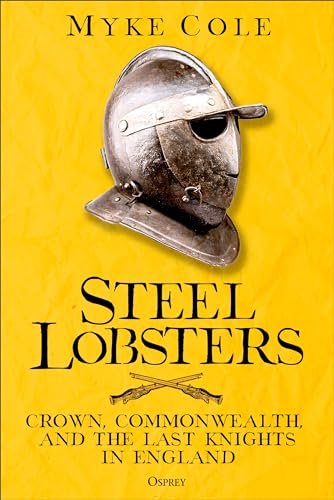
- Steel Lobsters: Crown, Commonwealth, and the Last Knights In England
- The Killing Ground: A Biography of Thermopylae

- Orca: How We Came to Know and Love the Ocean's Greatest Predator

- La guerra secreta: Espias, codigos y guerrillas, 1939-1945

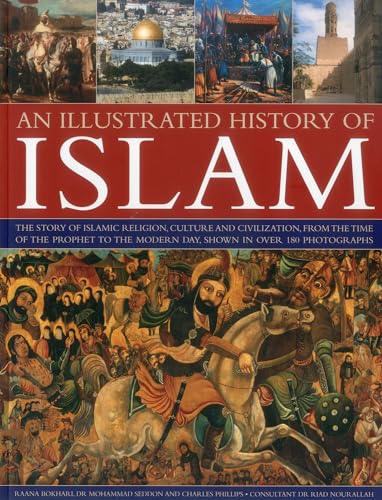
- An Illustrated History of Islam: The Story of Islamic Religion, Culture and Civilization, from the Time of the Prophet to the Modern Day, Shown in Ove