

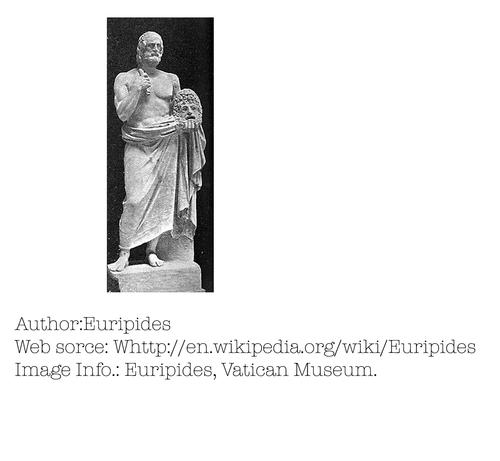
Euripides
Euripides was the last of the three great tragedians of classical Athens (the other two being Aeschylus and Sophocles). Ancient scholars thought that Euripides had written ninety-five plays, although four of those were probably written by Critias. Eighteen or nineteen of Euripides' plays have survived complete. There has been debate about his authorship of Rhesus, largely on stylistic grounds and ignoring classical evidence that the play was his.[1] Fragments, some substantial, of most of the other plays also survive. More of his plays have survived than those of Aeschylus and Sophocles together, because of the unique nature of the Euripidean manuscript tradition. ([Source][1].) [1]:http://en.wikipedia.org/wiki/Euripides
Books63


with Archilochus, Plutarch, Sappho, Epictetus, Aeschylus, Homer, Aristophanes and Hesiod

with Anne Carson

with Thomas De Quincey, Plutarch, Immanuel Kant, John Woolman, William Penn, Thomas Malory, Epictetus, Christopher Marlowe, Jonathan Swift, John Milton, Adam Smith, John Stuart Mill, Aeschylus, Thomas Carlyle, Homer, Edmund Burke, Aristophanes, Jean Racine, Marcus Tullius Cicero, Virgil, Robert Burns, Ben Jonson, Thomas Dekker, John Webster, Philip Massinger, John Fletcher, Martin Luther, Francis Beaumont, William Harvey, Thomas Hobbes, Robert Browning, John Bunyan, Benvenuto Cellini, Izaak Walton, Daniel Defoe, John Dryden, Joseph Addison, Richard Steele and Percy Bysshe Shelley
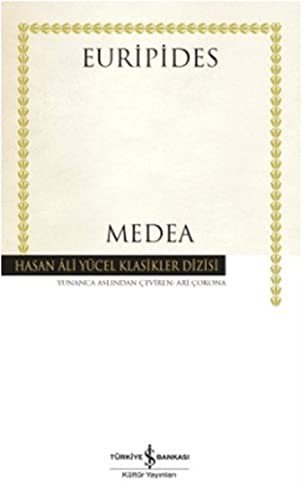


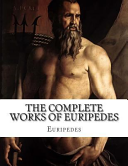

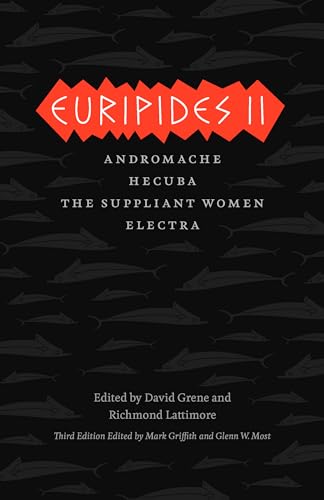
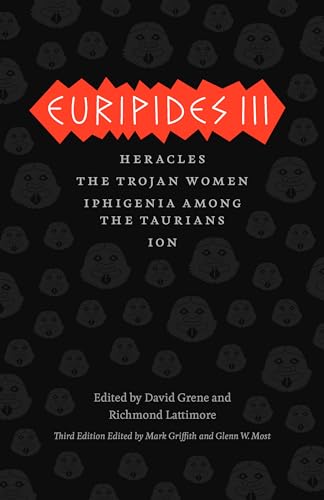
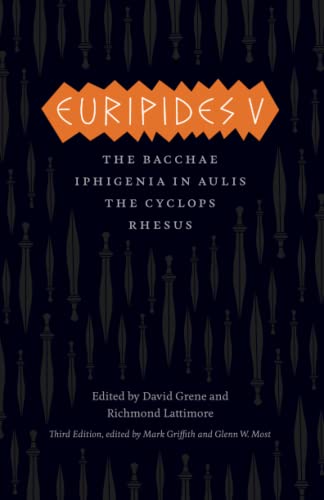
with Aeschylus, Sophocles and Aristophanes






with Aeschylus, Sophocles and Aristophanes







with Richard L. Hamilton










with C.W. Willink

with Anne Carson

with mnyrt krwan