


Virgil
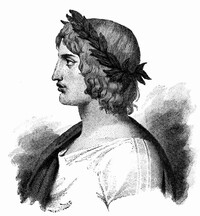
Publius Vergilius Maro, usually called Virgil or Vergil in English, was an ancient Roman poet of the Augustan period. He composed three of the most famous poems in Latin literature: the Eclogues, the Georgics, and the epic Aeneid. Some minor poems, collected in the Appendix Vergiliana, were attributed to him in ancient times, but modern scholars regard these as spurious, with the possible exception of some short pieces.
Books68


with Thomas De Quincey, Plutarch, Immanuel Kant, John Woolman, William Penn, Thomas Malory, Epictetus, Christopher Marlowe, Jonathan Swift, John Milton, Adam Smith, John Stuart Mill, Aeschylus, Euripides, Thomas Carlyle, Homer, Edmund Burke, Aristophanes, Jean Racine, Marcus Tullius Cicero, Robert Burns, Ben Jonson, Thomas Dekker, John Webster, Philip Massinger, John Fletcher, Martin Luther, Francis Beaumont, William Harvey, Thomas Hobbes, Robert Browning, John Bunyan, Benvenuto Cellini, Izaak Walton, Daniel Defoe, John Dryden, Joseph Addison, Richard Steele, Percy Bysshe Shelley, Hippocrates, Samuel Taylor Coleridge, George Gordon Byron, Tacitus, Thomas Browne, Leigh Hunt, Sophocles, William Makepeace Thackeray, Ralph Waldo Emerson, Michel de Montaigne, Saint Augustine, John Ruskin, Friedrich von Schiller, Benjamin Franklin, Hans Christian Andersen, Henry David Thoreau, Dante Alighieri, Pliny the Younger and David Hume

with Giovanni Aloi

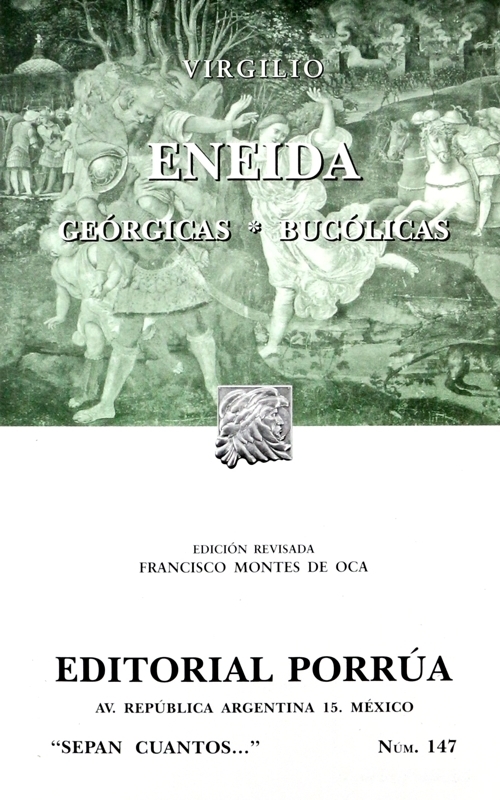

with Thomas J. Sienkewicz and Leaann A. Osburn

with John Dryden and Howard W. Clarke



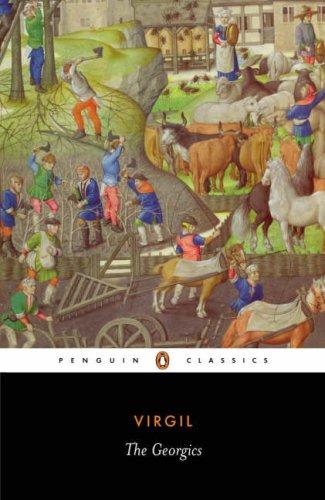
with L.P. Wilkinson
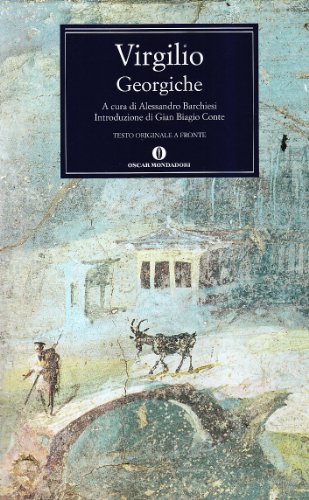

with Clyde Pharr

with Clyde Pharr


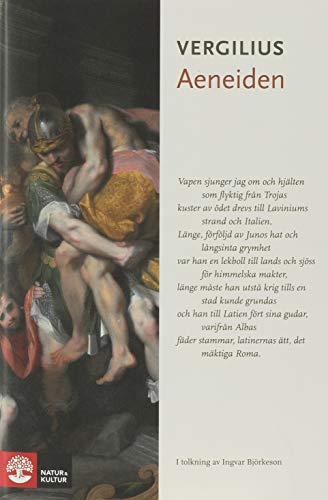
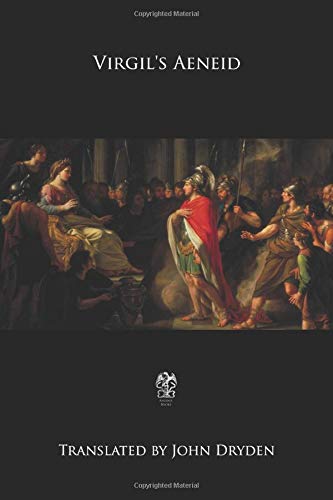
with William Morris
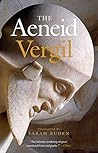
with Sarah Ruden


Harvard Classics: The Five-Foot Shelf of Books | Seventy-nine great minds, one complete education in world thought
with Alfred de Musset, John Woolman, William Penn, Thomas Carlyle, Edmund Burke, Edward Everett Hale, Robert Burns, Ben Jonson, Thomas Dekker, Theodor Storm, Philip Massinger, John Fletcher, Francis Beaumont, Robert Browning, Leo Tolstoy, John Bunyan, Benvenuto Cellini, Jane Austen, Izaak Walton, Gottfried Keller, Fyodor Dostoevsky, Homer, John Dryden, Percy Bysshe Shelley, George Eliot, Thomas Browne, William Makepeace Thackeray, Ralph Waldo Emerson, Washington Irving, Saint Augustine, Benjamin Franklin, Henry James, Alphonse Daudet, Mark Twain, Hans Christian Andersen, Dante Alighieri, Pliny the Younger, Charles Dickens, George Sand and Ivan Turgenev