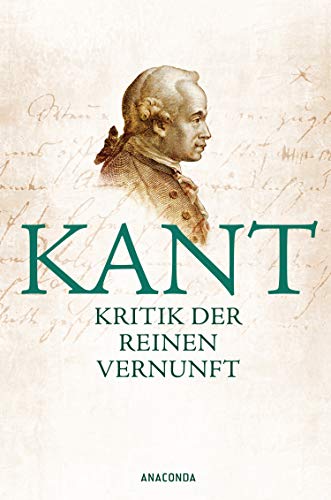

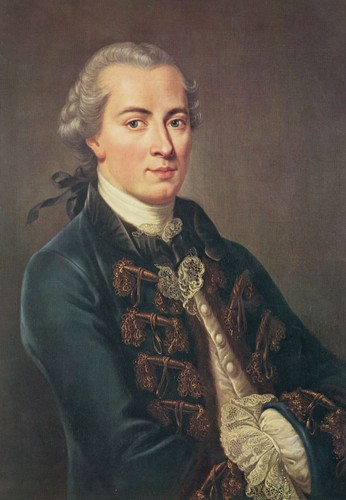
Immanuel Kant
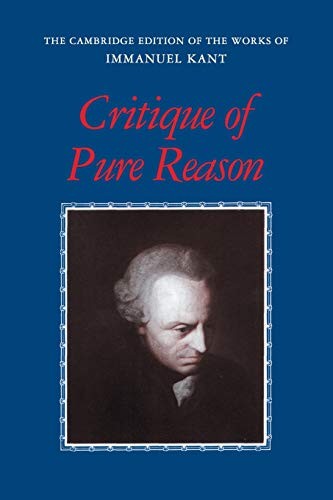
Immanuel Kant was an 18th-century German philosopher from the Prussian city of Königsberg. Kant was the last influential philosopher of modern Europe in the classic sequence of the theory of knowledge during the Enlightenment beginning with thinkers John Locke, George Berkeley, and David Hume. Kant created a new perspective in philosophy which had widespread influences on philosophy continuing through to the 21st century. He published important works on epistemology, as well as works relevant to religion, law, and history. One of his most prominent works is the *Critique of Pure Reason*, an investigation into the limitations and structure of reason itself. It encompasses an attack on traditional metaphysics and epistemology, and highlights Kant's own contribution to these areas. The other main works of his maturity are the *Critique of Practical Reason*, which concentrates on ethics, and the *Critique of Judgment*, which investigates aesthetics and teleology. [1][1] [1]: http://en.wikipedia.org/wiki/Immanuel_Kant
Books51

with Thomas De Quincey, Plutarch, John Woolman, William Penn, Thomas Malory, Epictetus, Christopher Marlowe, Jonathan Swift, John Milton, Adam Smith, John Stuart Mill, Aeschylus, Euripides, Thomas Carlyle, Homer, Edmund Burke, Aristophanes, Jean Racine, Marcus Tullius Cicero, Virgil, Robert Burns, Ben Jonson, Thomas Dekker, John Webster, Philip Massinger, John Fletcher, Martin Luther, Francis Beaumont, William Harvey, Thomas Hobbes, Robert Browning, John Bunyan and Benvenuto Cellini


with Lao Tzu, Milton Friedman, Adam Smith, John Stuart Mill, James Madison, Mary Wollstonecraft, Thomas Jefferson and Alexis de Tocqueville
with Michel Foucault
with James W. Ellington

with Wilhelm Weischedel

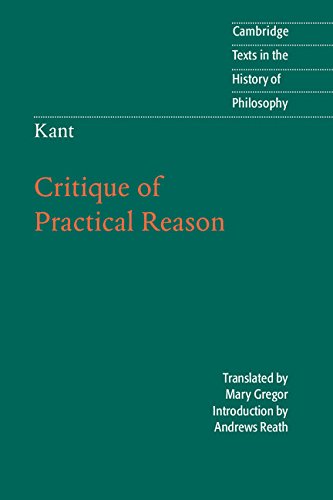


with Mary Gregor