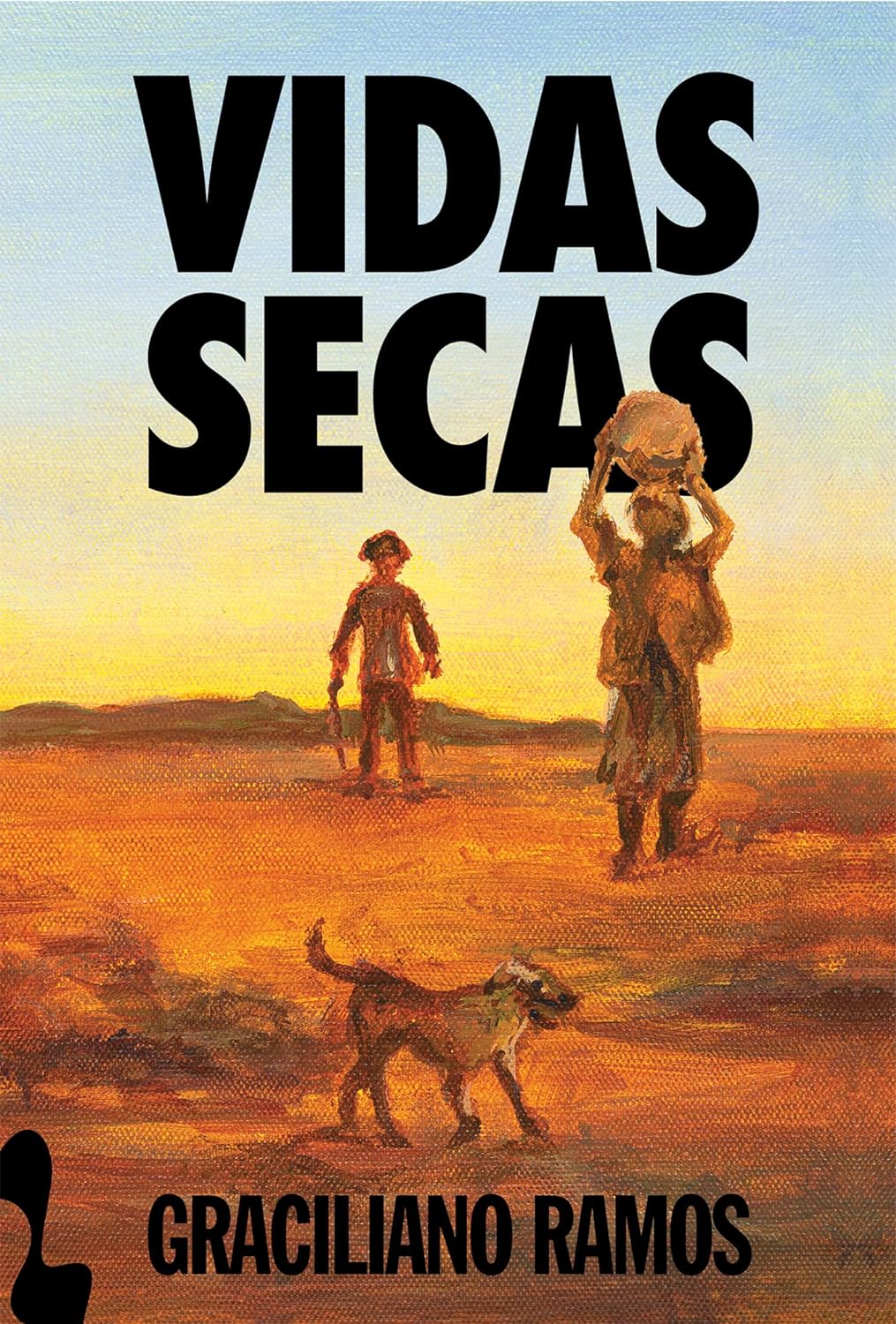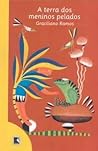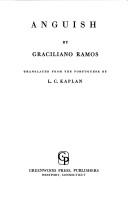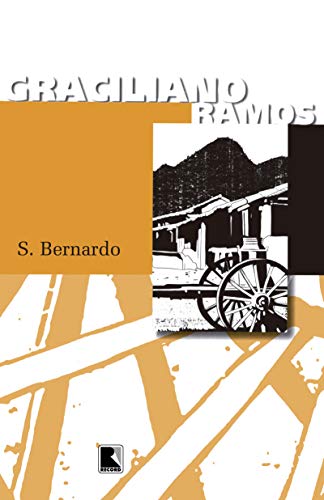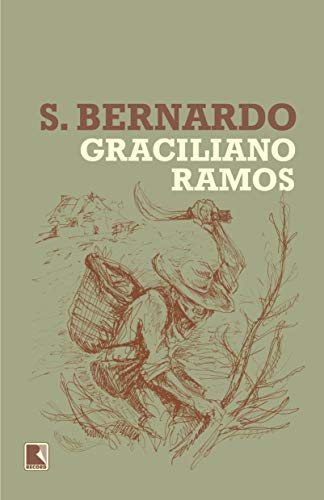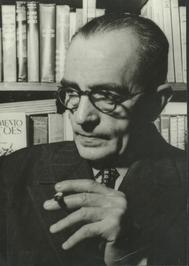

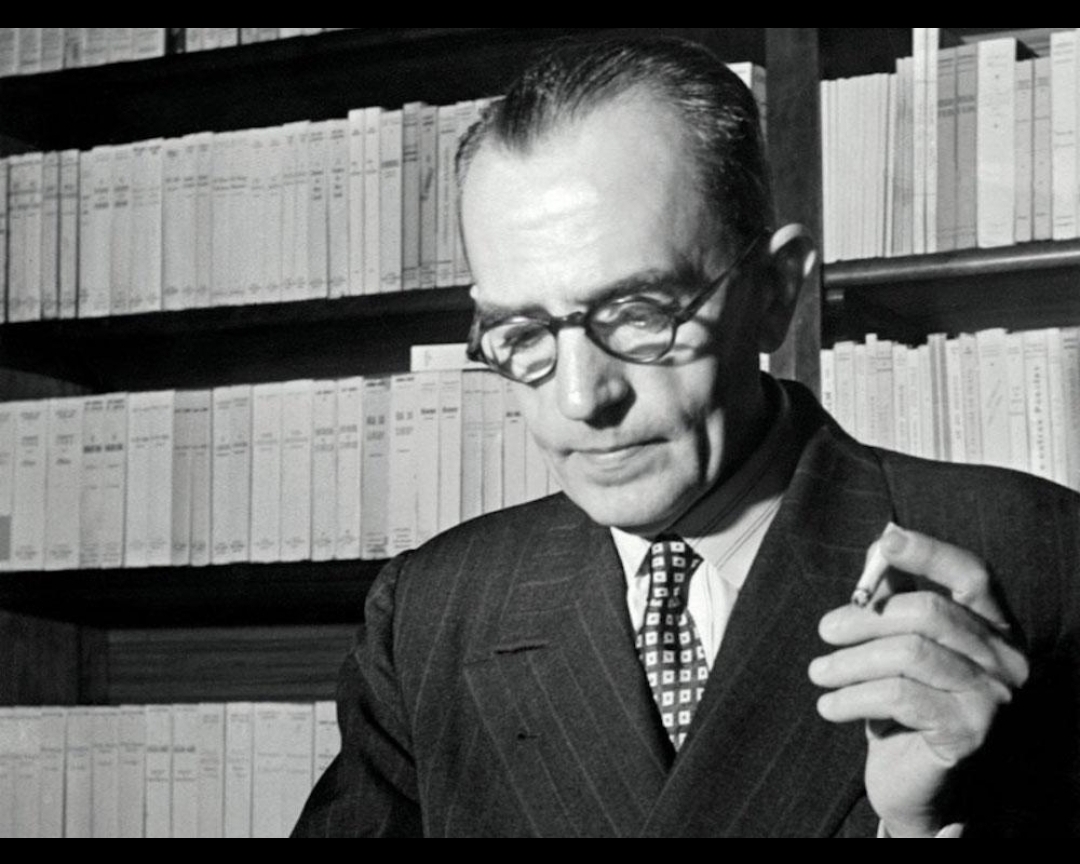
Graciliano Ramos was a Brazilian novelist, short-story writer, journalist, memoirist, and politician, and one of the major figures of twentieth-century Brazilian literature. Born in Quebrangulo, Alagoas, in 1892, he spent much of his early life in northeastern Brazil. He worked as a journalist and businessman and later served as mayor of Palmeira dos Índios, where his unusually concise and literary administrative reports helped draw attention to his writing. His fiction is distinguished by its austere prose, psychological intensity, and unsentimental portrayal of poverty, violence, oppression, and survival. His major works include Caetés, São Bernardo, Angústia, and Vidas Secas, the latter becoming one of the defining novels of Brazilian modernism and of the so-called “Novel of the 1930s.” In 1936, Ramos was imprisoned without trial during the government of Getúlio Vargas, an experience he later reconstructed in Memórias do Cárcere, published posthumously. He also wrote autobiographical works such as Infância, short fiction, chronicles, and children's literature. Graciliano Ramos died in Rio de Janeiro in 1953. His economical style and bleak but deeply human vision established him as one of the central authors of modern Brazilian prose.
Books17

with Machado de Assis, Caio Fernando Abreu, Lima Barreto, Clarice Lispector, Carlos Drummond de Andrade, Mario de Andrade, Fernando Sabino, Paulo Mendes Campos, Moacyr Scliar, Lygia Fagundes Telles and Rubem Braga
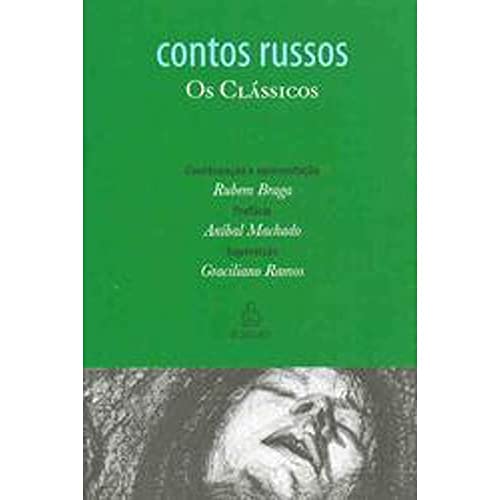
with Anibal Machado