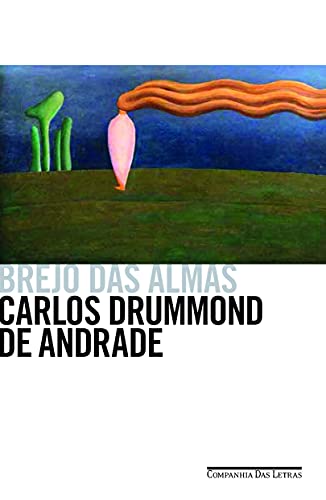

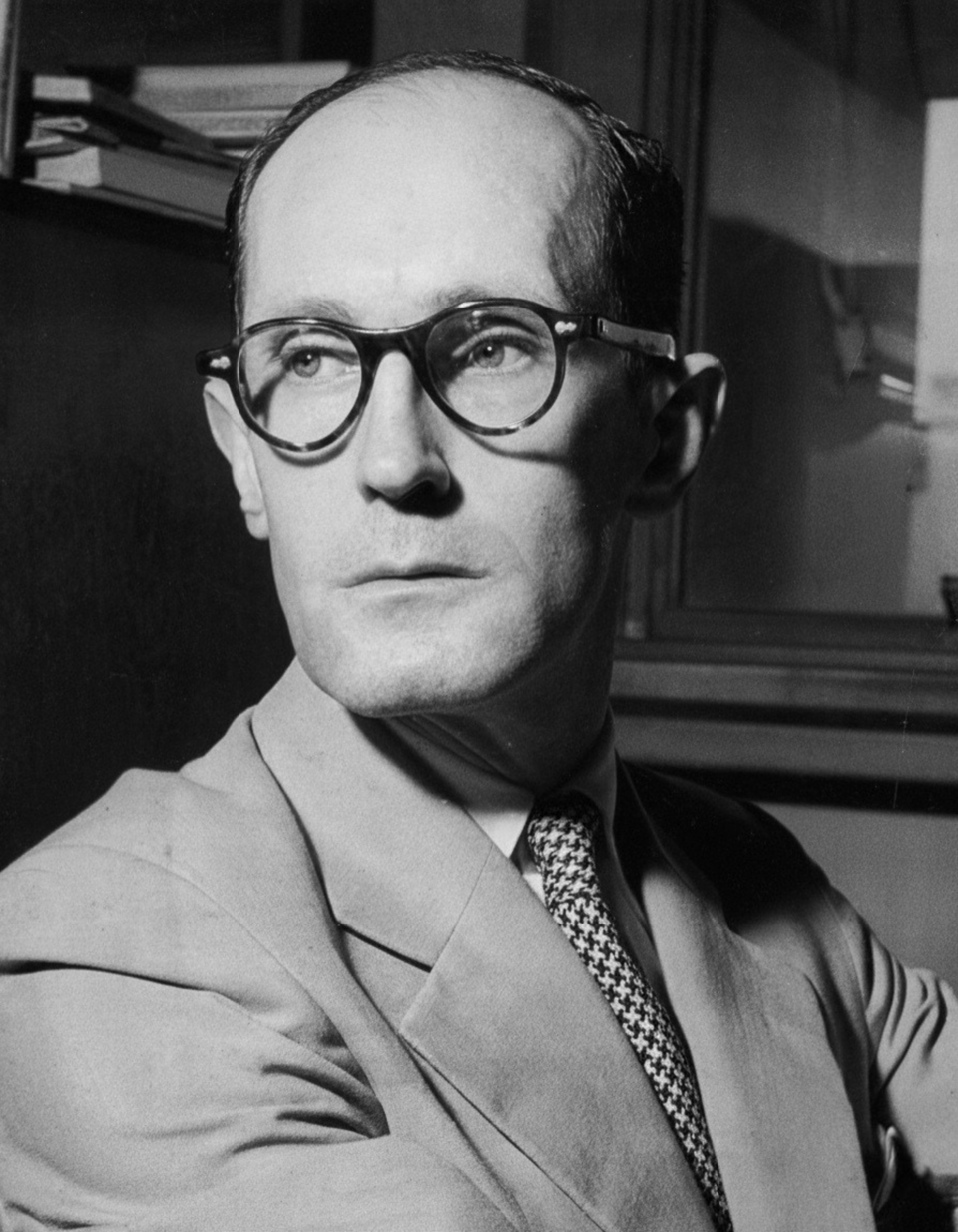
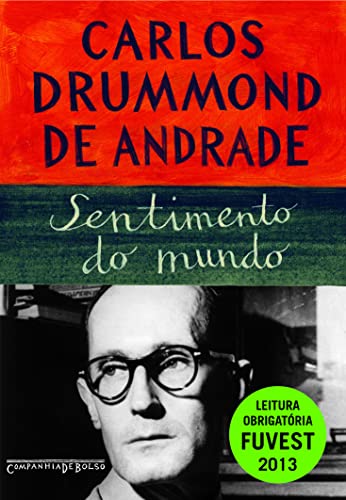
Carlos Drummond de Andrade was a Brazilian poet, chronicler, short-story writer, translator, and journalist, widely regarded as one of the greatest and most influential Brazilian poets of the twentieth century. Born in Itabira, Minas Gerais, in 1902, Drummond became associated with the second generation of Brazilian Modernism and published his first poetry collection, Alguma Poesia, in 1930. He moved to Rio de Janeiro in 1934, where he worked for many years as a civil servant while developing an extensive literary career. His poetry combines irony, colloquial language, introspection, social observation, and philosophical reflection, moving from the apparent simplicity of everyday life toward questions of memory, love, solitude, politics, time, and death. Among his major collections are Sentimento do Mundo, José, A Rosa do Povo, Claro Enigma, and Lição de Coisas. Drummond was also a prolific chronicler, producing thousands of newspaper texts throughout his career, as well as short fiction, essays, translations, and children's literature. His work ranges from intimate and autobiographical poetry to some of the most important socially engaged writing in modern Brazilian literature. Carlos Drummond de Andrade died in Rio de Janeiro in 1987, twelve days after the death of his only daughter, Maria Julieta. His work remains central to Brazilian poetry and one of the most enduring achievements of Portuguese-language literature.
Books19
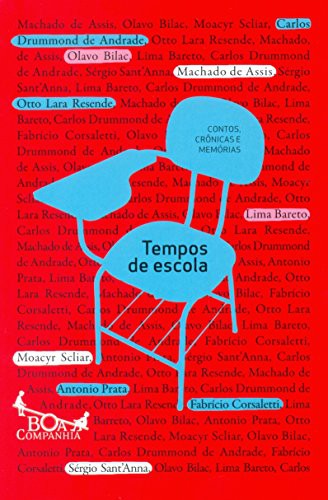
with Moacyr Scliar
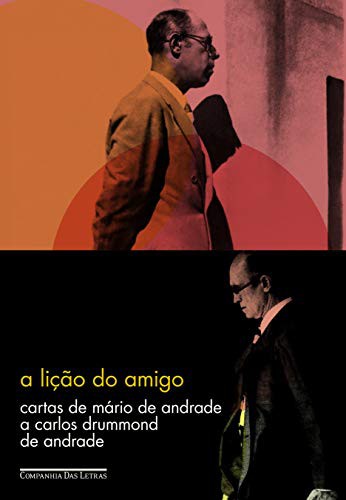
with Mario de Andrade

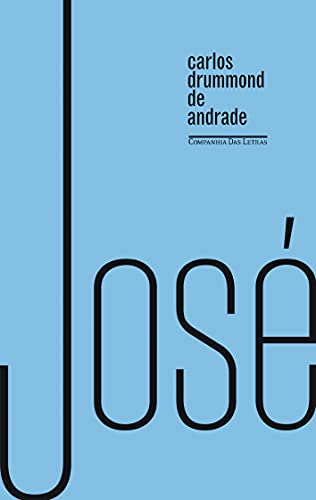

with Machado de Assis, Caio Fernando Abreu, Lima Barreto, Clarice Lispector, Mario de Andrade, Fernando Sabino, Paulo Mendes Campos, Moacyr Scliar and Lygia Fagundes Telles


with Ana Cristina Cesar, Bernardo Carvalho, Caio Fernando Abreu, Lima Barreto, Hilda Hilst, Clarice Lispector, Mario de Andrade, Fernando Sabino, Moacyr Scliar and Lygia Fagundes Telles

with Rubem Braga, Fernando Sabino and Paulo Mendes Campos
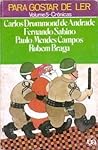
with Fernando Sabino, Paulo Mendes Campos and Rubem Braga

with Fernando Sabino, Paulo Mendes Campos and Rubem Braga
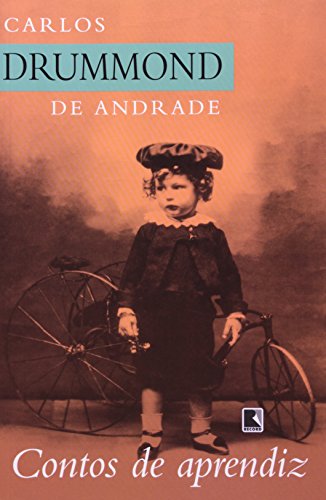
Collections1

with Gabriela Mistral, Mario Benedetti and Pablo Neruda