

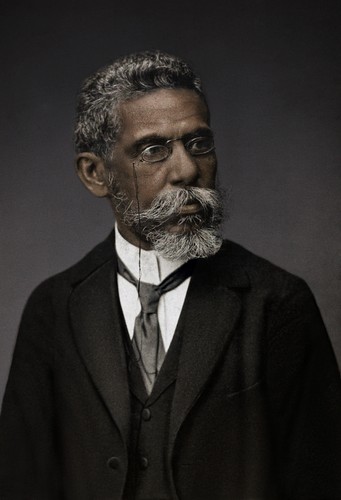
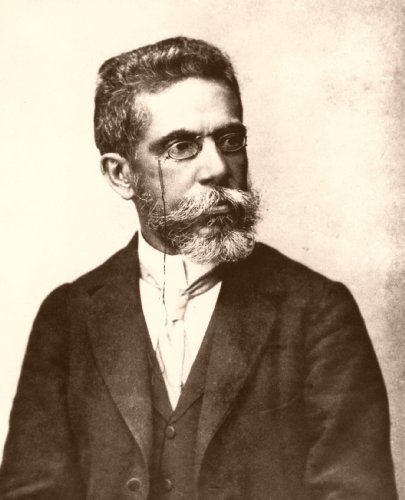
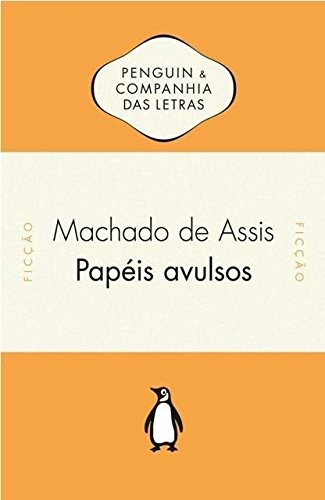
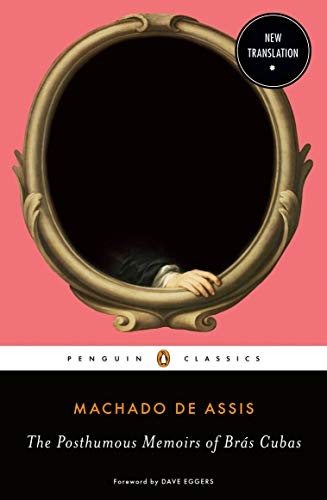
Machado de Assis (1839–1908) was a Brazilian writer widely regarded as one of the greatest authors in world literature. Born in Rio de Janeiro to a humble family, he was largely self-taught and rose to prominence through his work as a novelist, short story writer, poet, playwright, and literary critic. Over his career, he became a central figure in Brazilian letters and was a founding member and the first president of the Brazilian Academy of Letters. He is best known for novels such as The Posthumous Memoirs of Brás Cubas, Quincas Borba, and Dom Casmurro, works that marked a sharp break from Romanticism and helped introduce literary Realism in Brazil. Machado’s writing is distinguished by irony, psychological depth, unreliable narrators, and subtle social critique, often exploring themes of power, hypocrisy, race, and human vanity. Although deeply rooted in 19th-century Brazilian society, Machado de Assis’s work remains strikingly modern and influential. His innovative narrative techniques and keen insight into the human condition have earned him international recognition, placing him alongside the major figures of world literature.
Books59

with Afonso Arinos

with Afonso Arinos and Afonso Celso

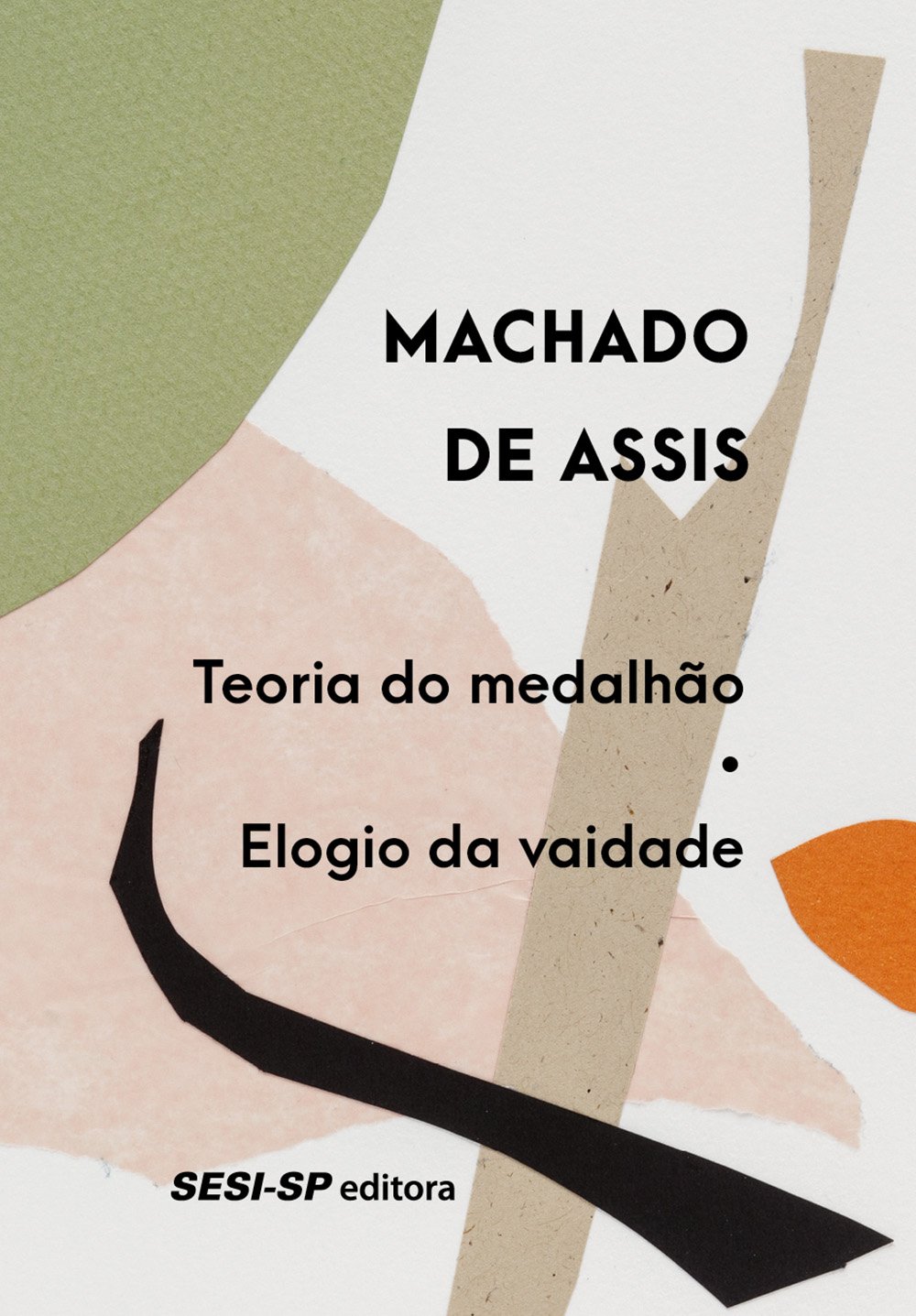

with Guy de Maupassant, Milton Hatoum, James Joyce, Katherine Mansfield, Ernest Hemingway and Clarice Lispector
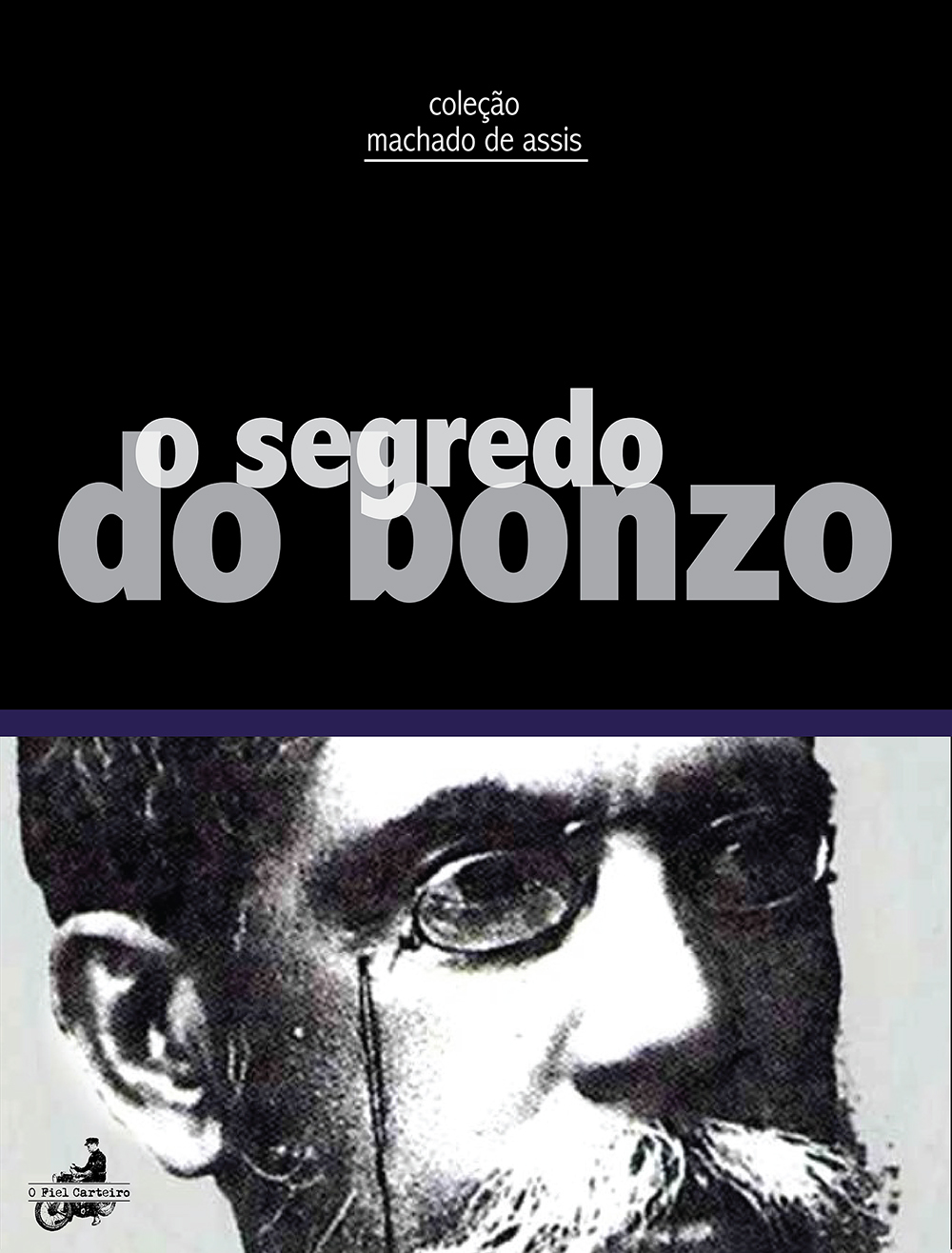
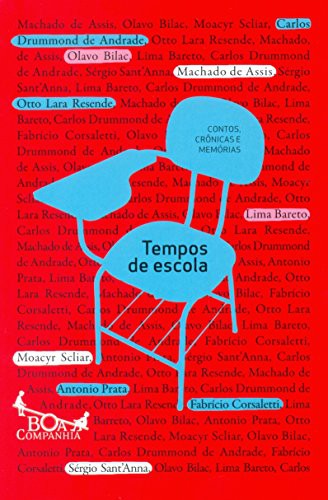
with Carlos Drummond de Andrade and Moacyr Scliar
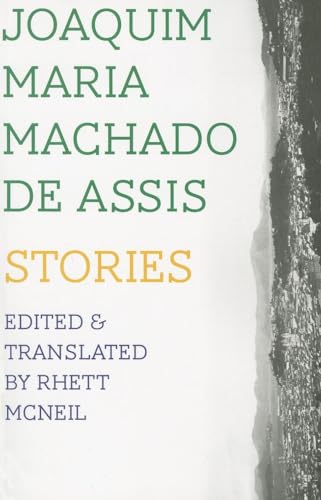
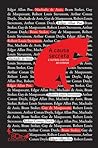
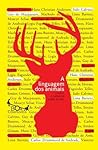
with Jacob Grimm and Lygia Fagundes Telles
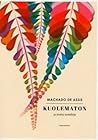

with Andrea Fernandes and Lima Barreto


with Caio Fernando Abreu, Lima Barreto, Clarice Lispector, Carlos Drummond de Andrade, Mario de Andrade, Fernando Sabino, Paulo Mendes Campos, Moacyr Scliar, Lygia Fagundes Telles, Rubem Braga and Graciliano Ramos

with Ana Cristina Cesar, Bernardo Carvalho, Caio Fernando Abreu, Lima Barreto, Hilda Hilst, Clarice Lispector, Carlos Drummond de Andrade, Mario de Andrade, Fernando Sabino, Moacyr Scliar, Lygia Fagundes Telles, Rubem Braga, Graciliano Ramos and Rubem Fonseca


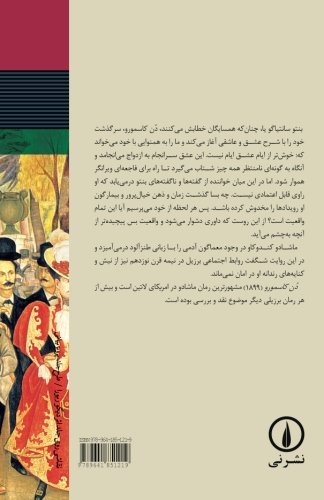








with mashadw dy asys


Graphic novels1
50 Obras-Primas que Voce Deve Ler Antes de Morrer: Volume 1
with Maxim Gorky, Sun Tzu, Alexandre Dumas, Fyodor Dostoevsky, Homer, Leo Tolstoy, George Orwell, Miguel de Cervantes Saavedra, Euclides da Cunha, Daniel Defoe, Alain-Fournier and Dante Alighieri


